Work / 07
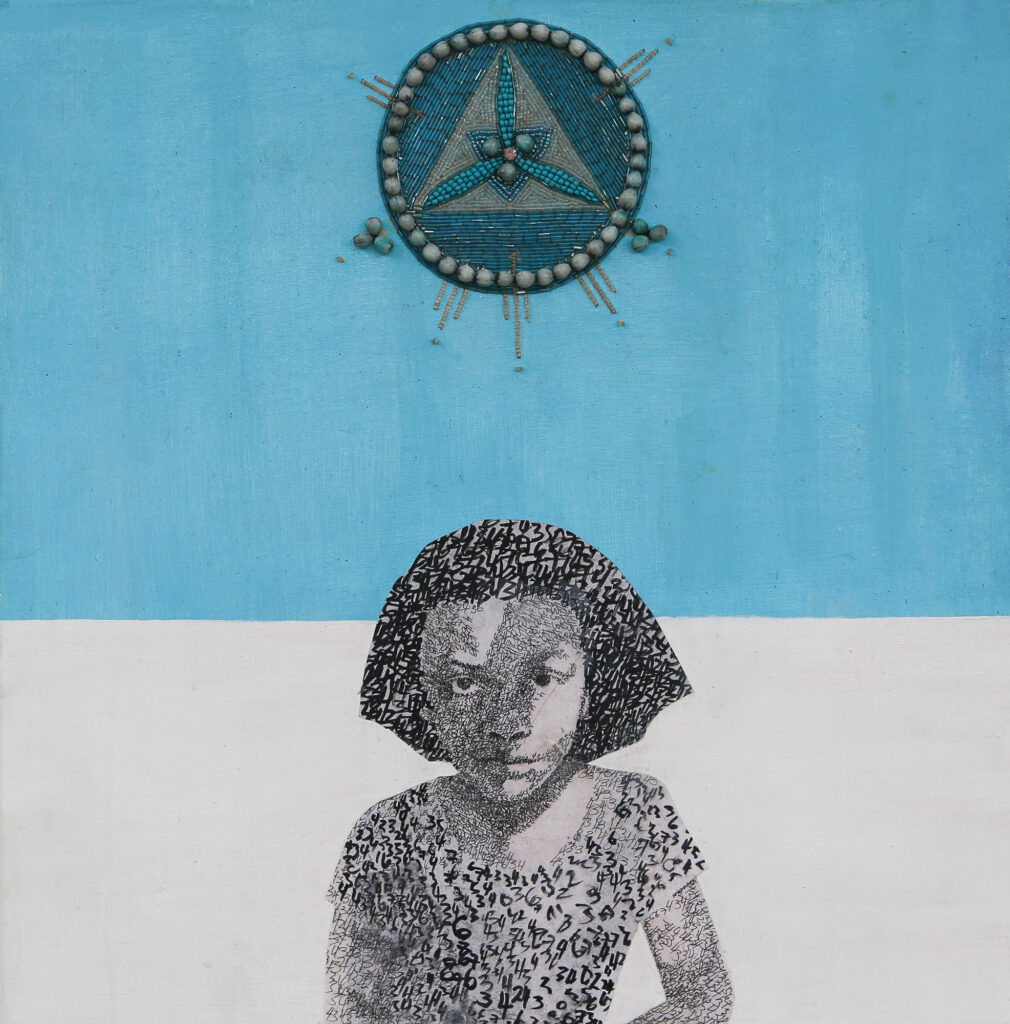
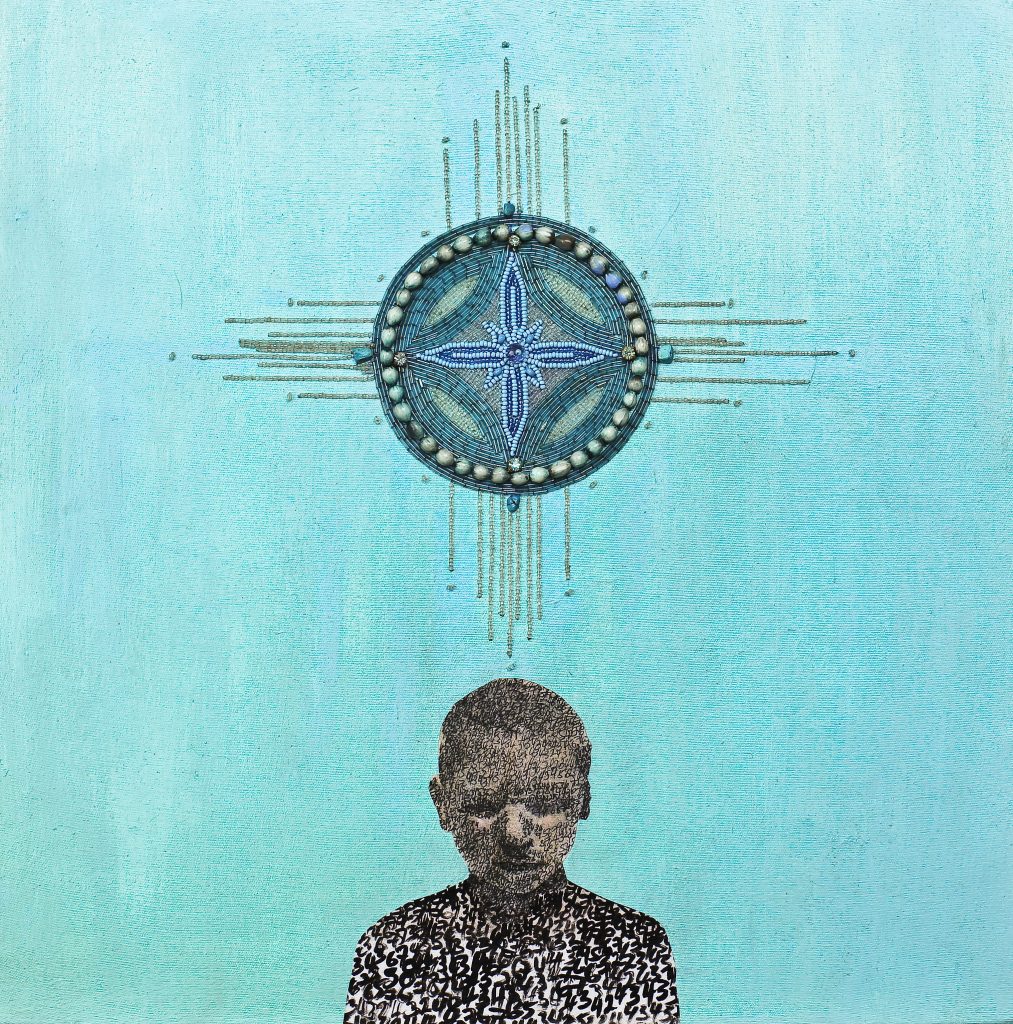
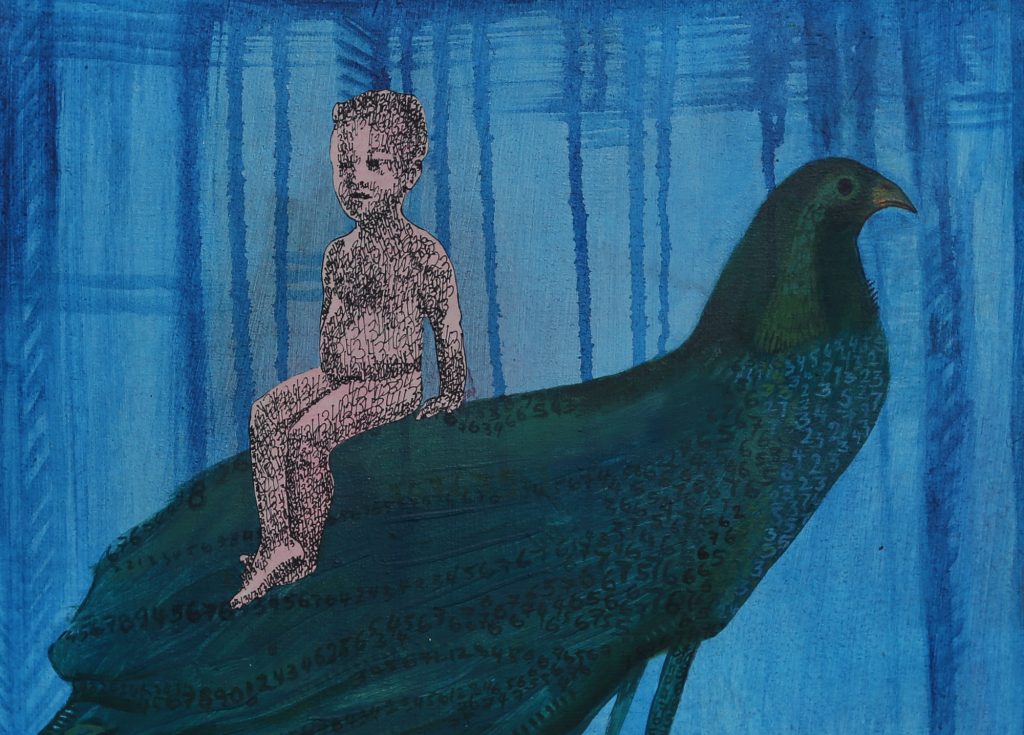
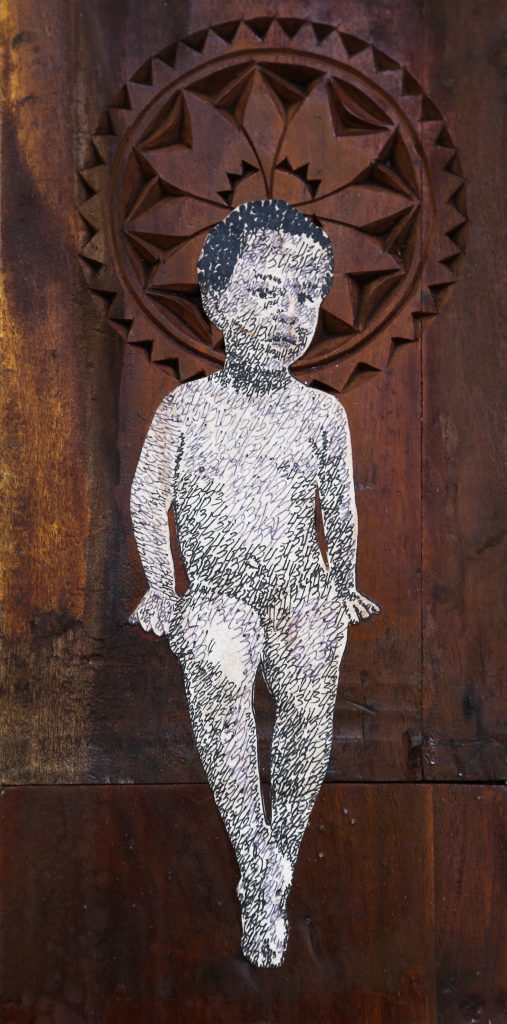
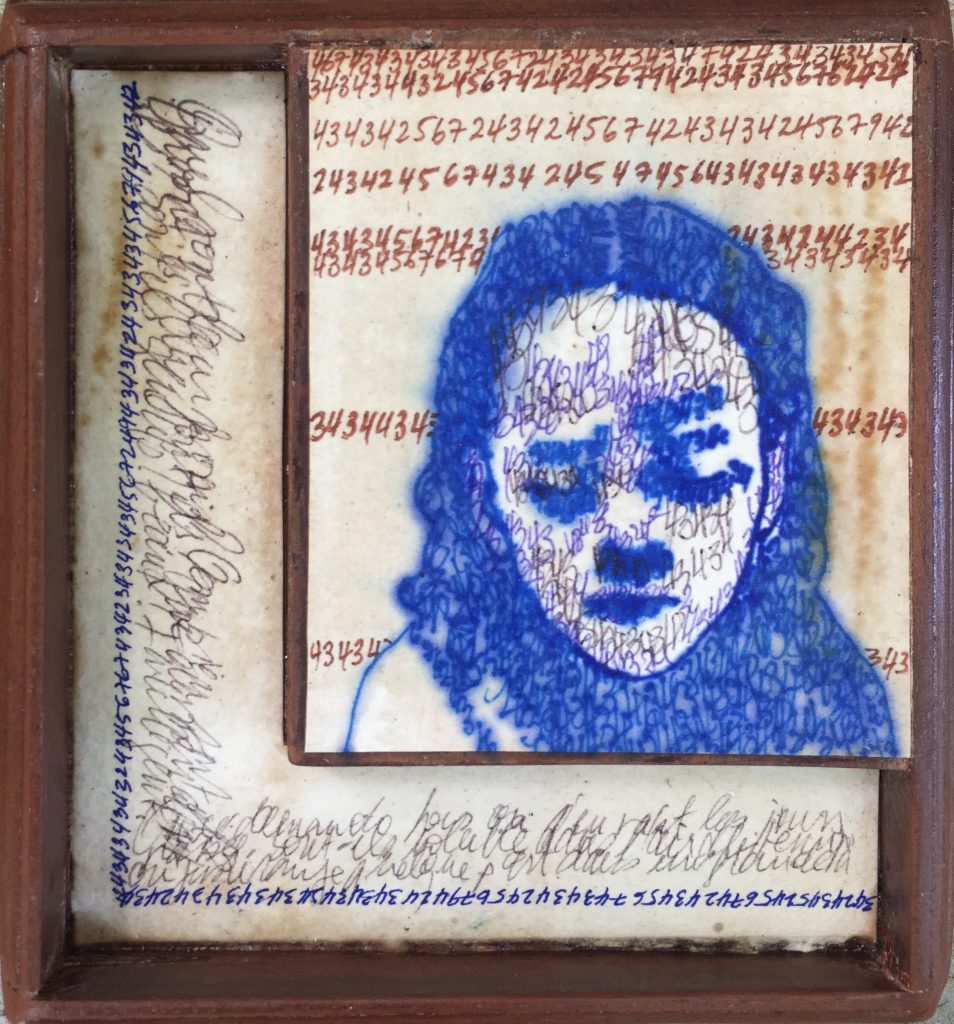
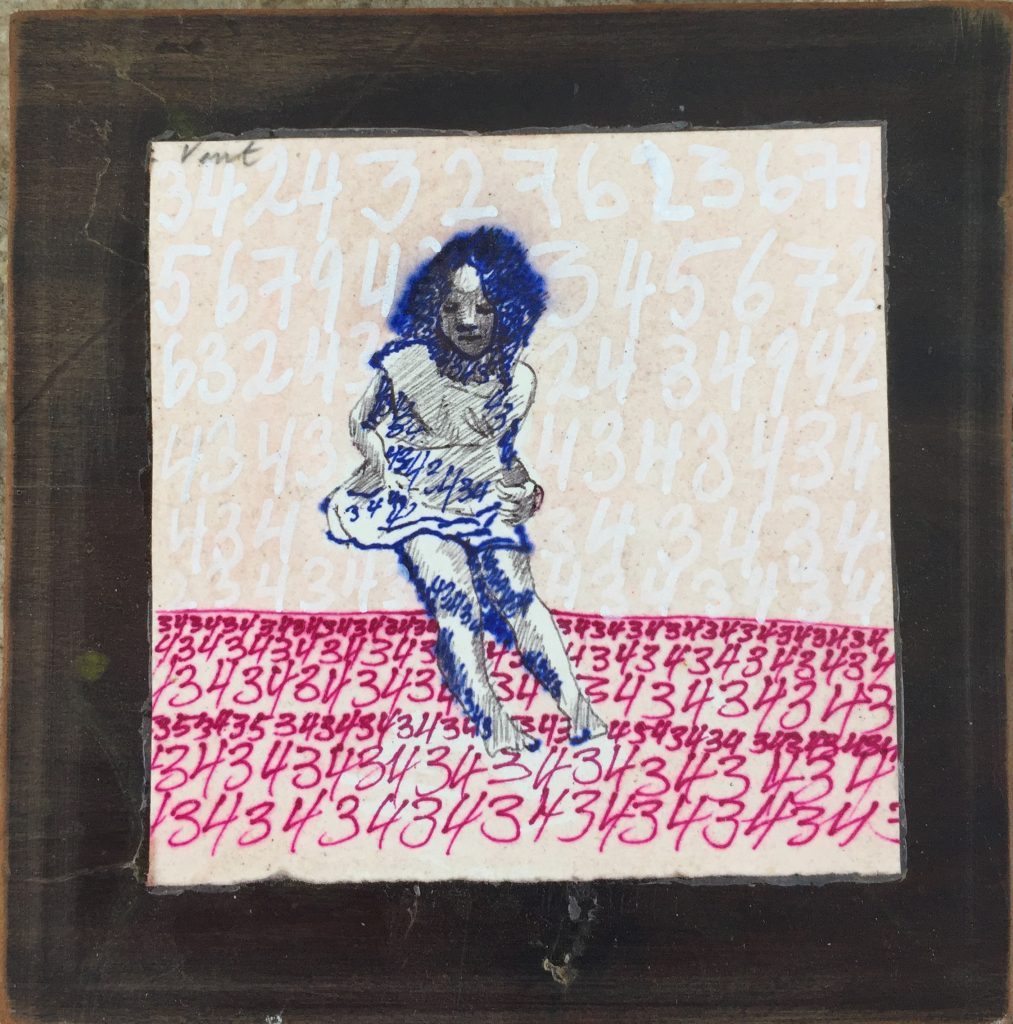
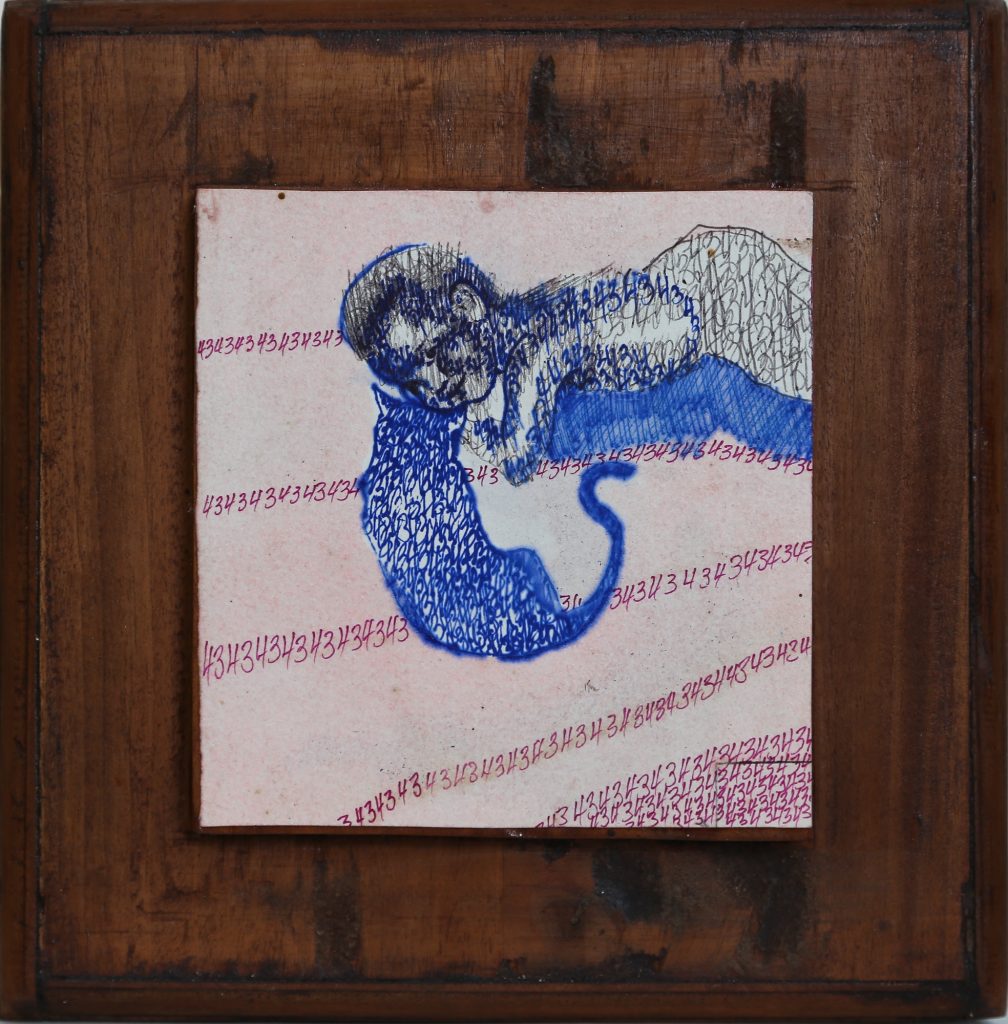
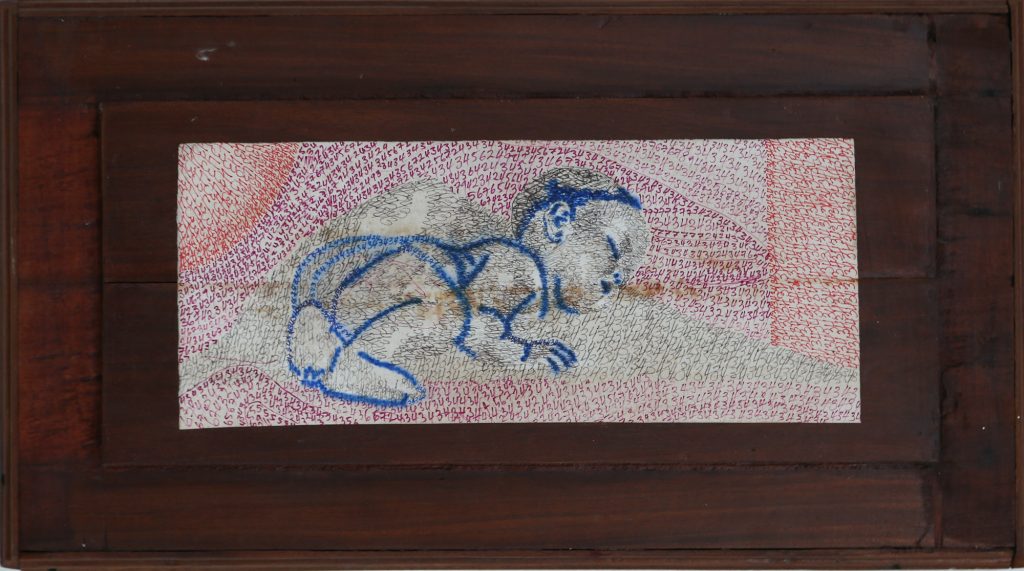
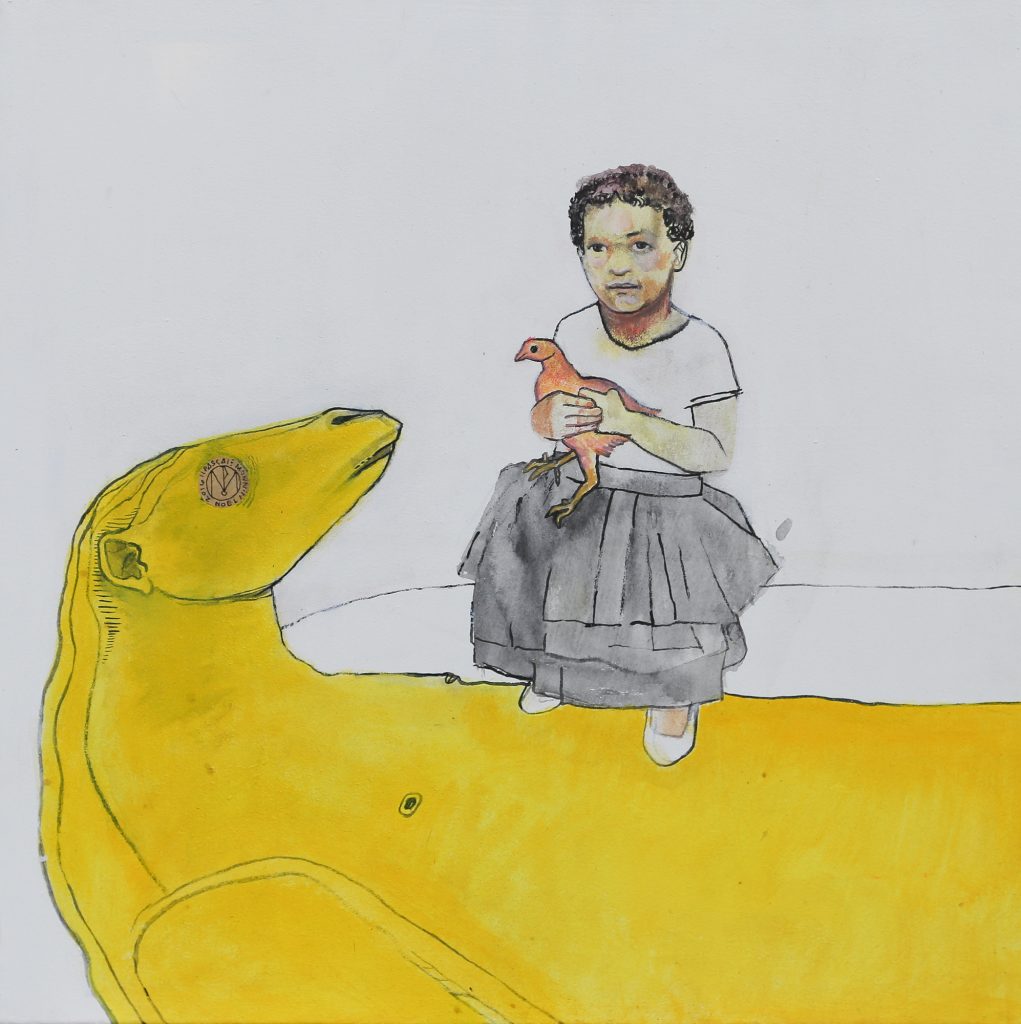
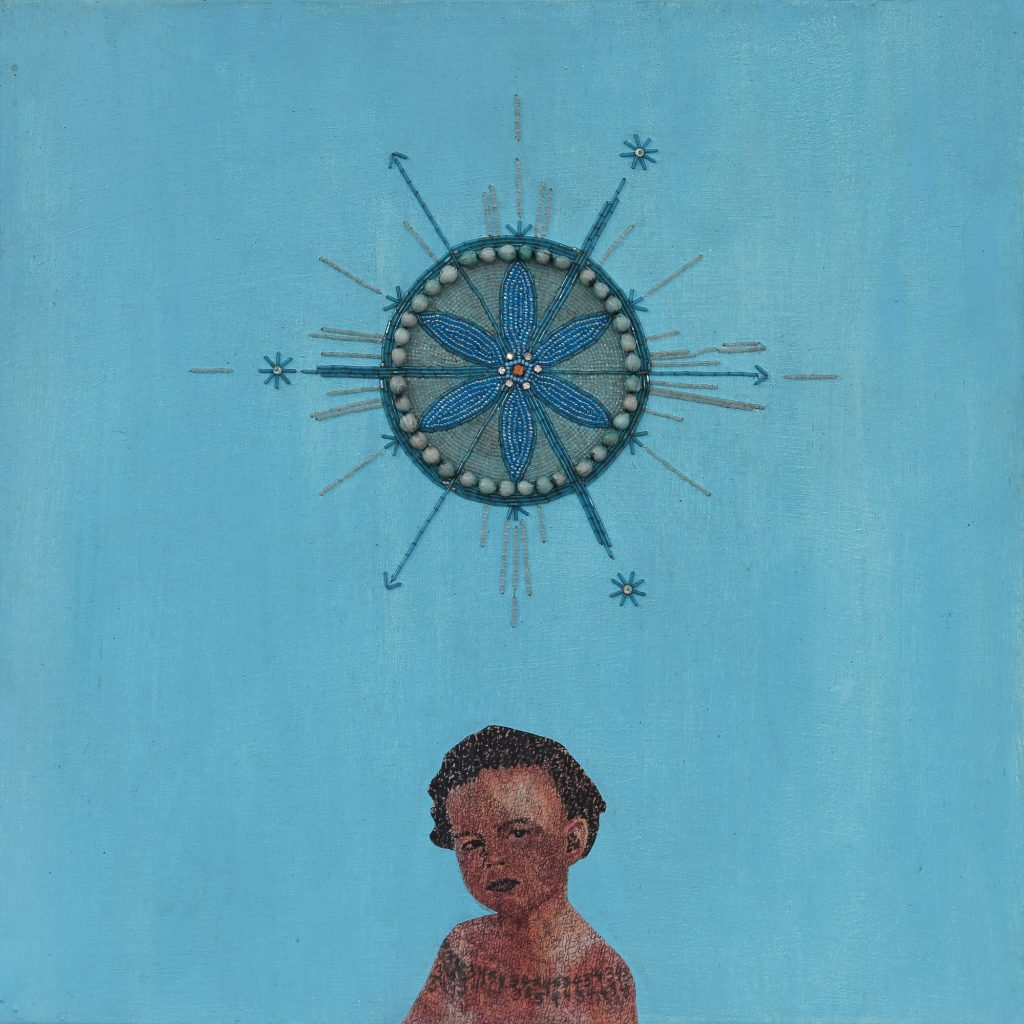
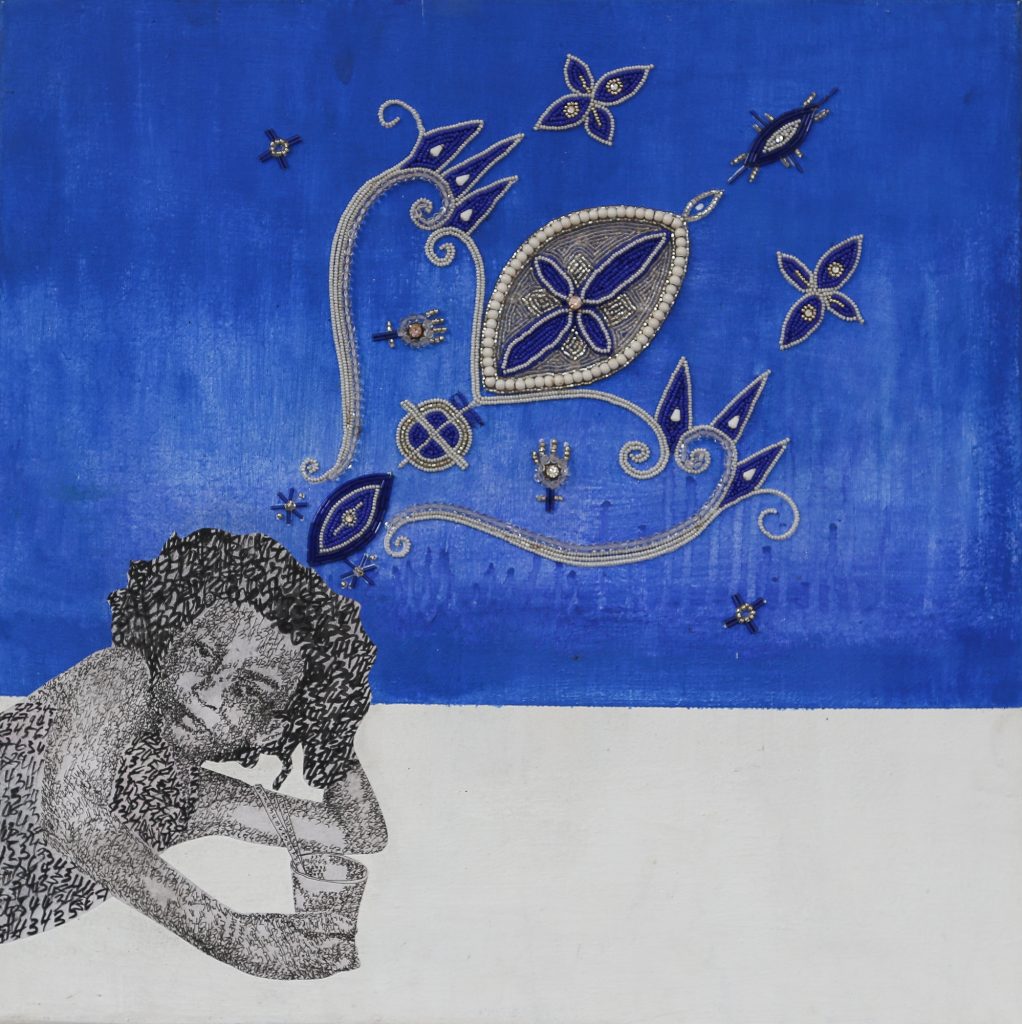
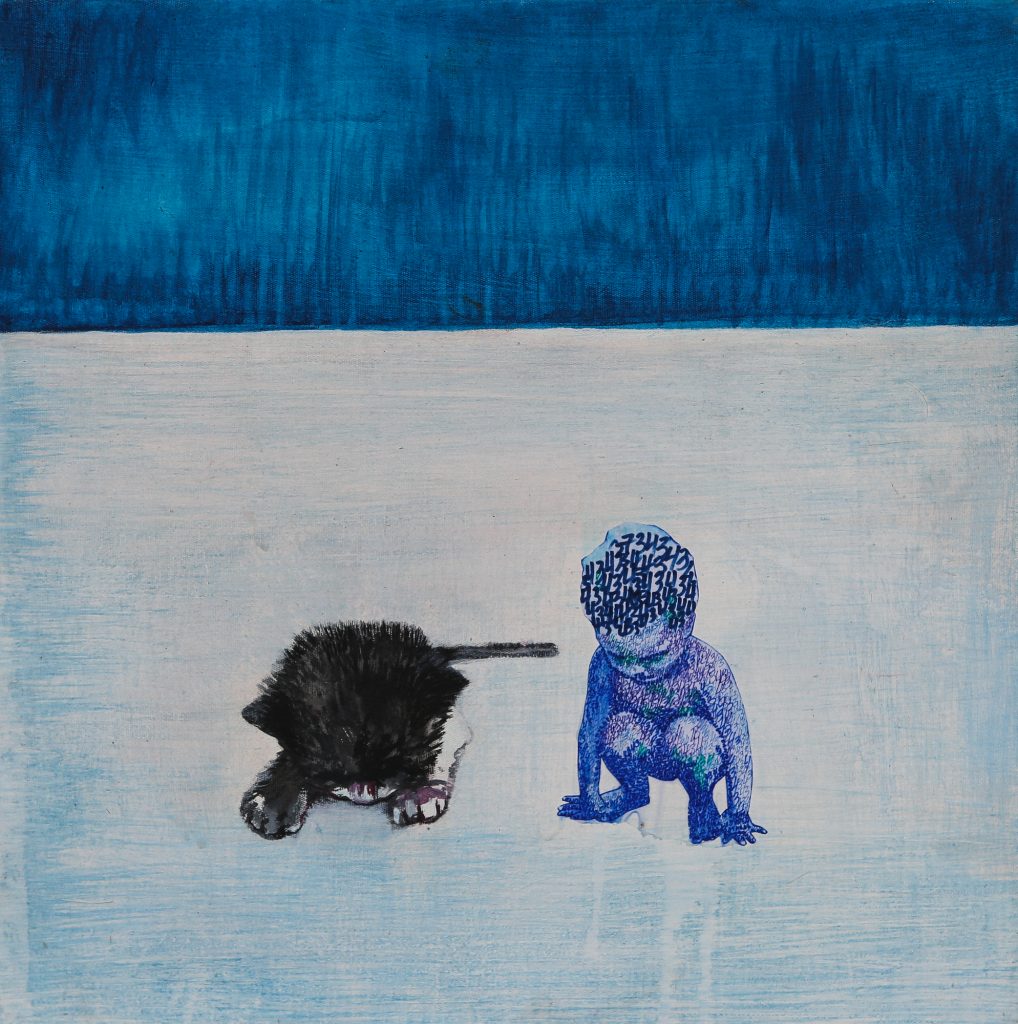
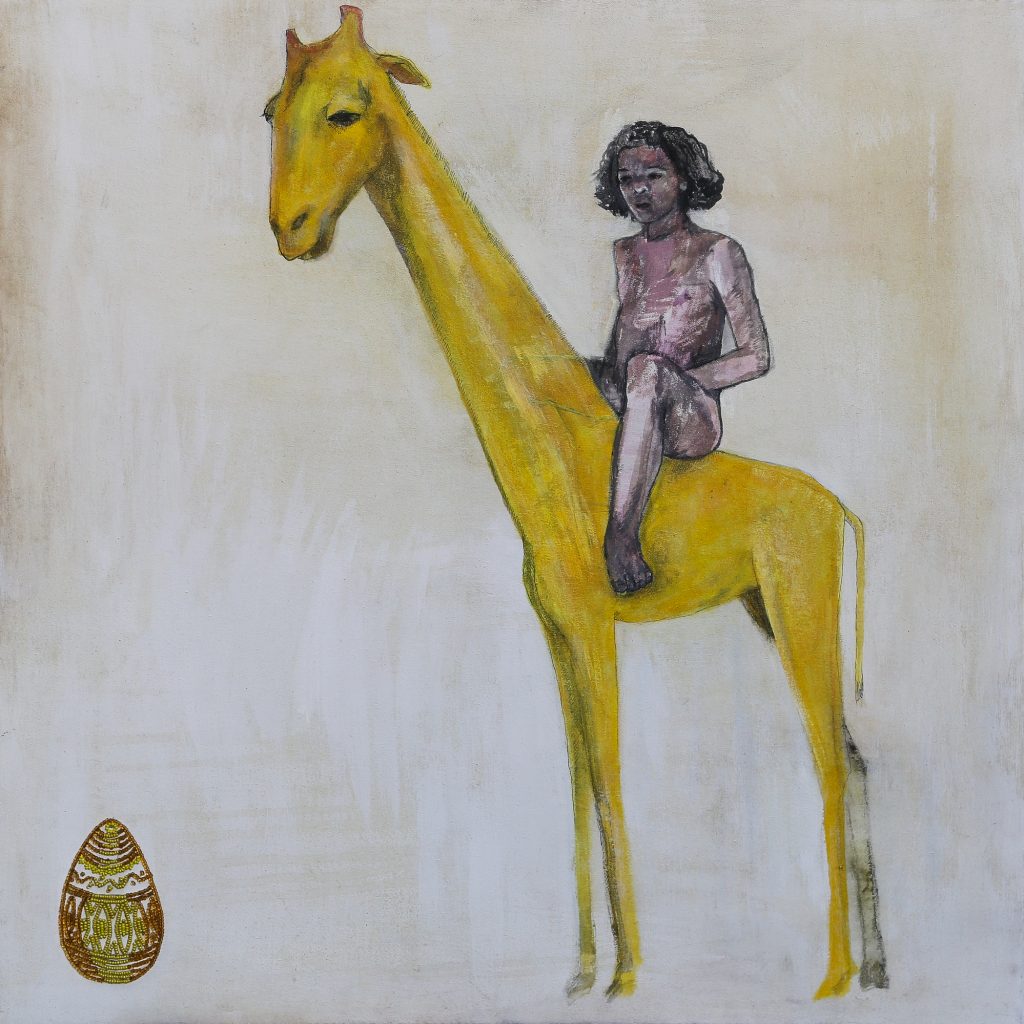
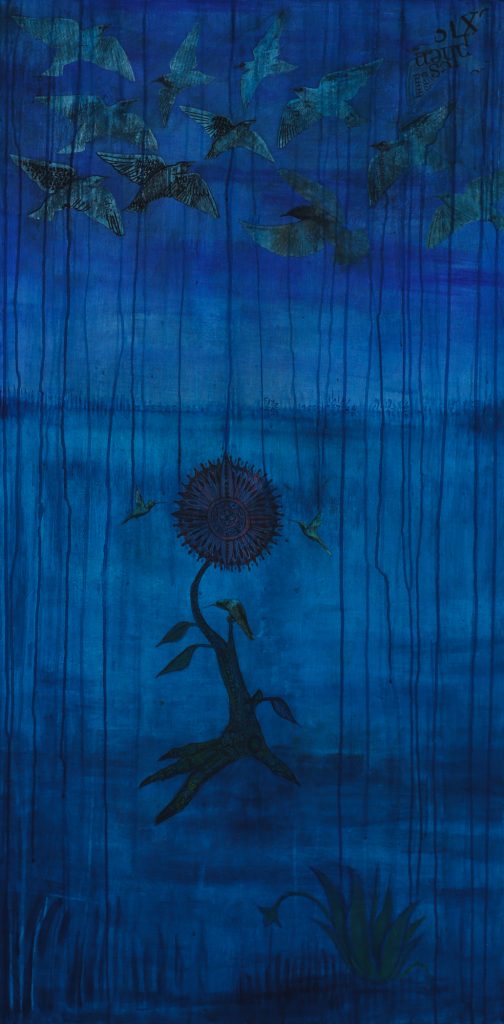
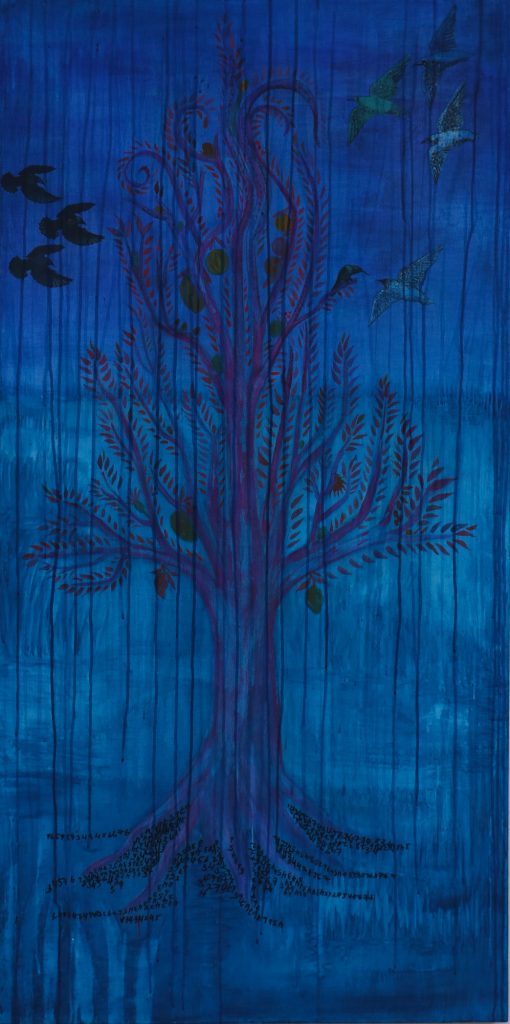
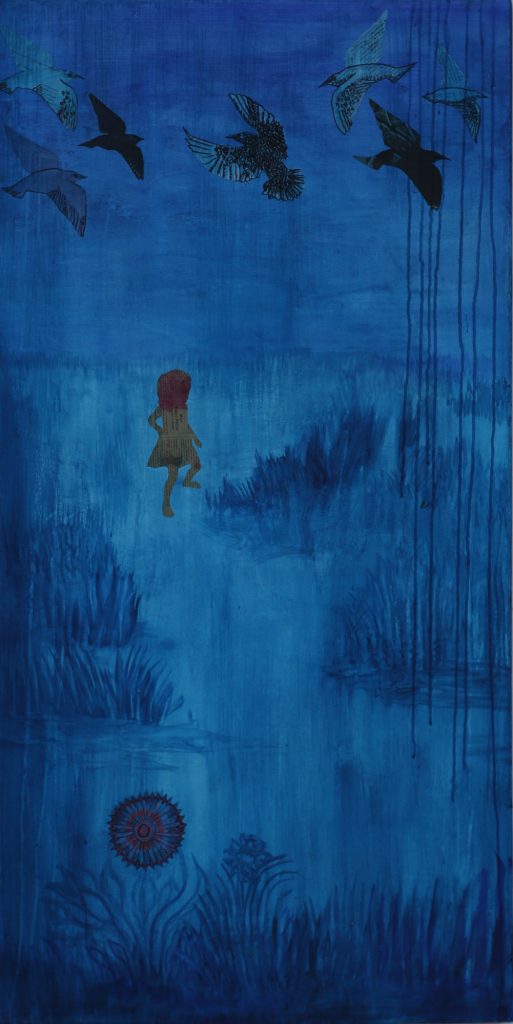
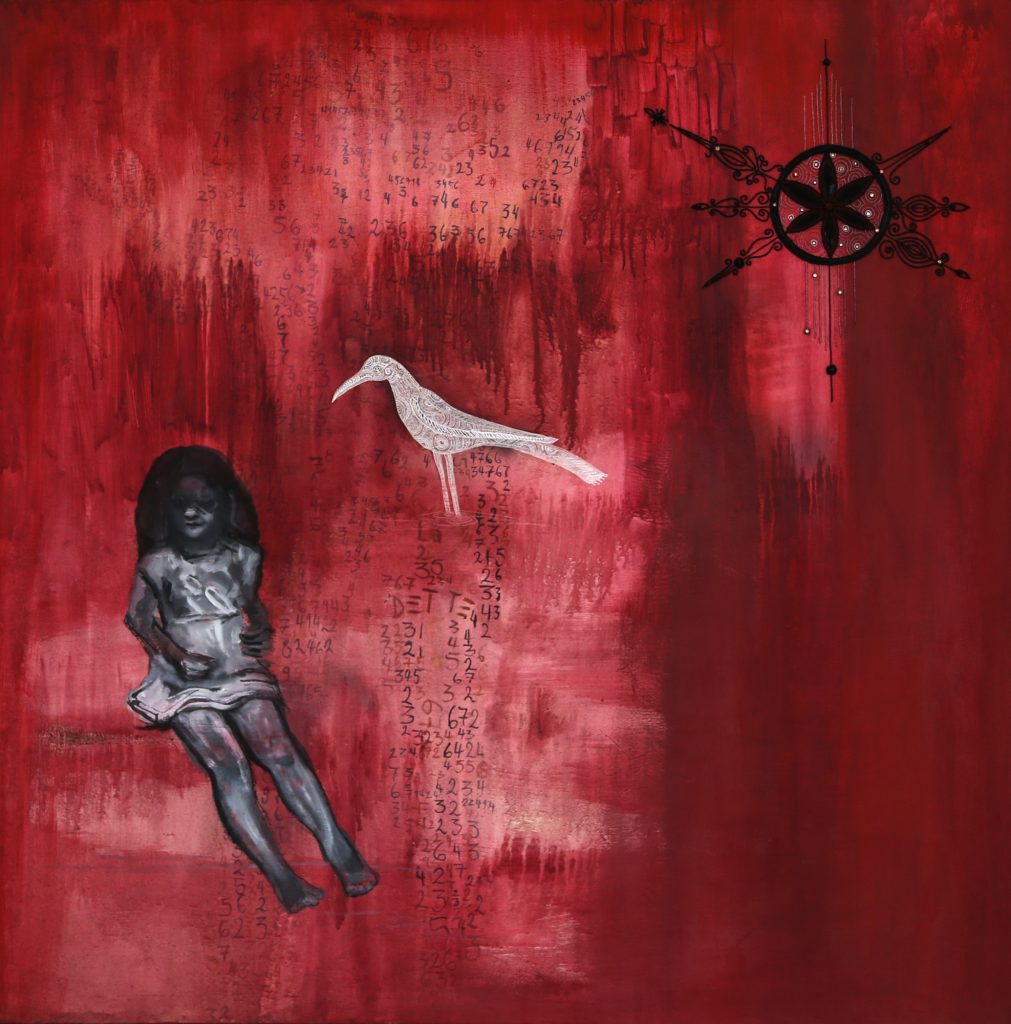
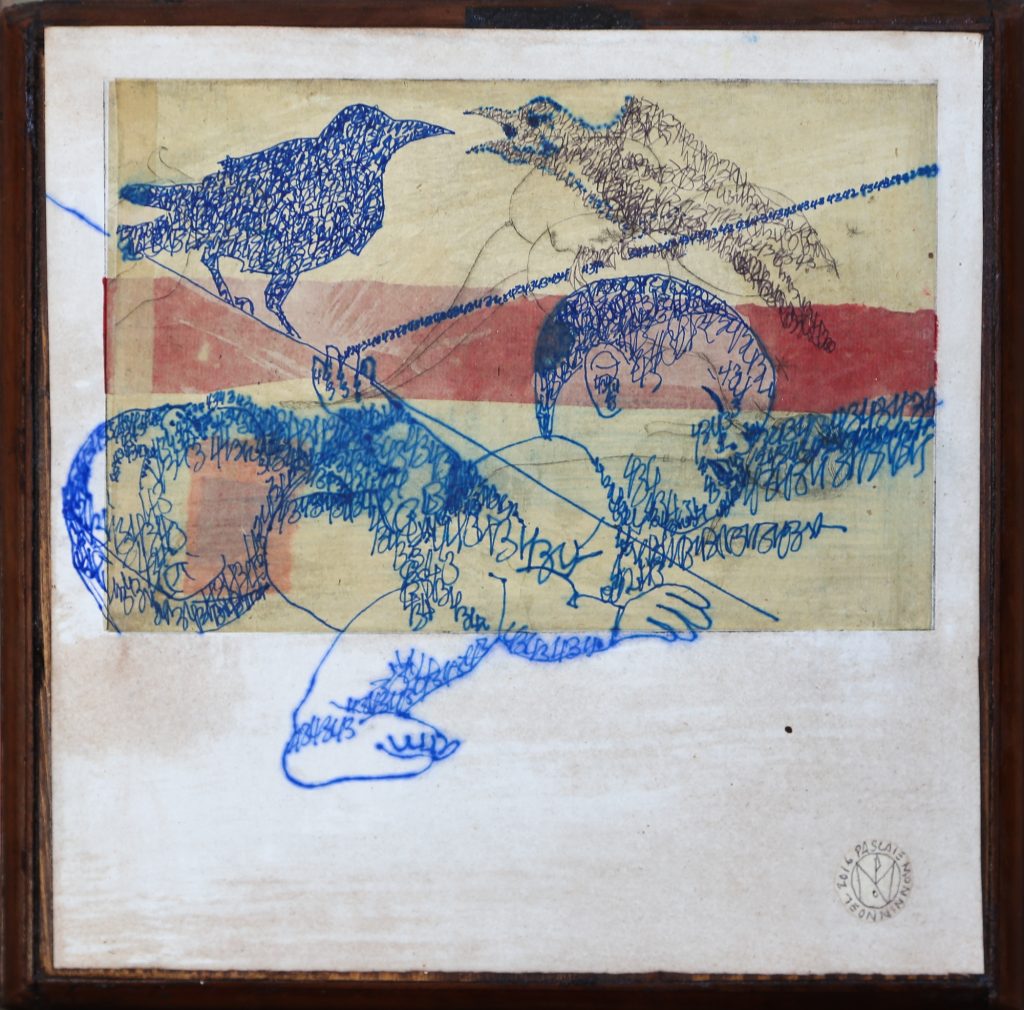
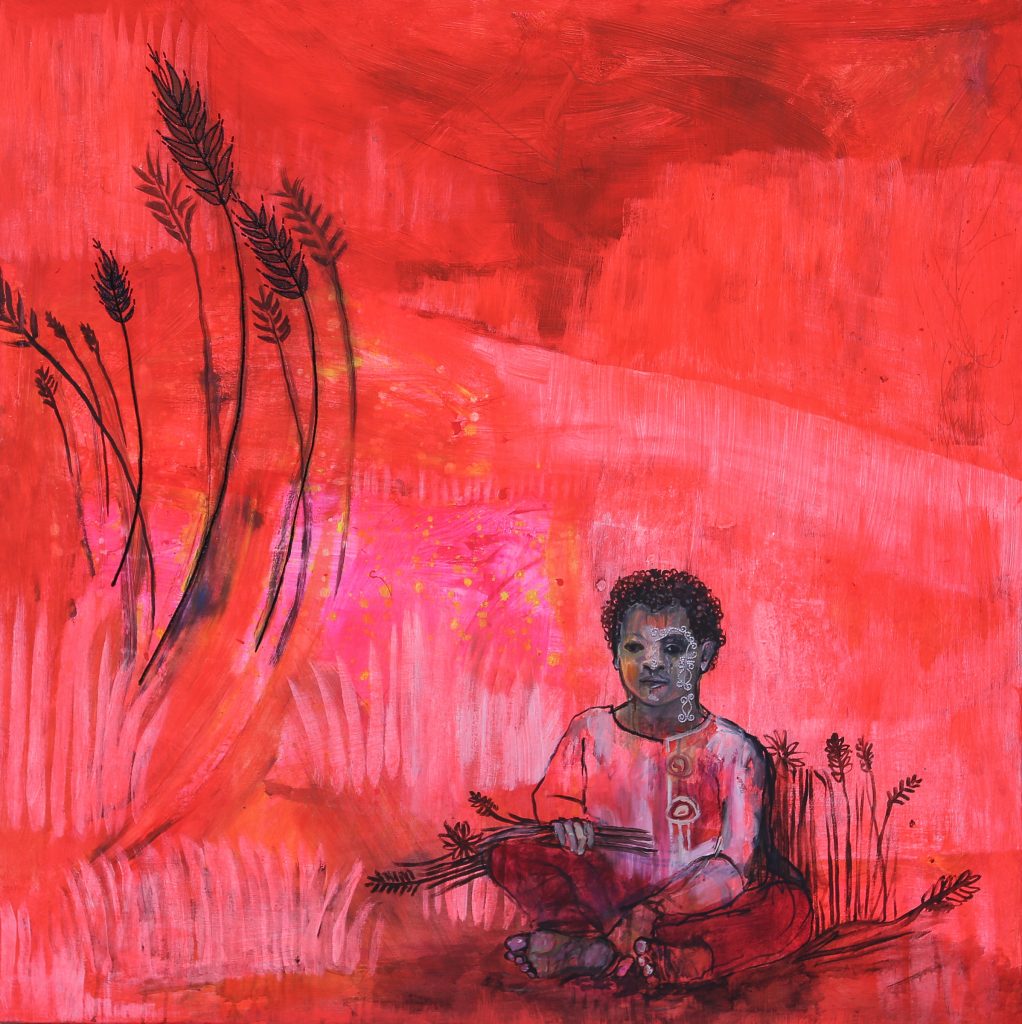
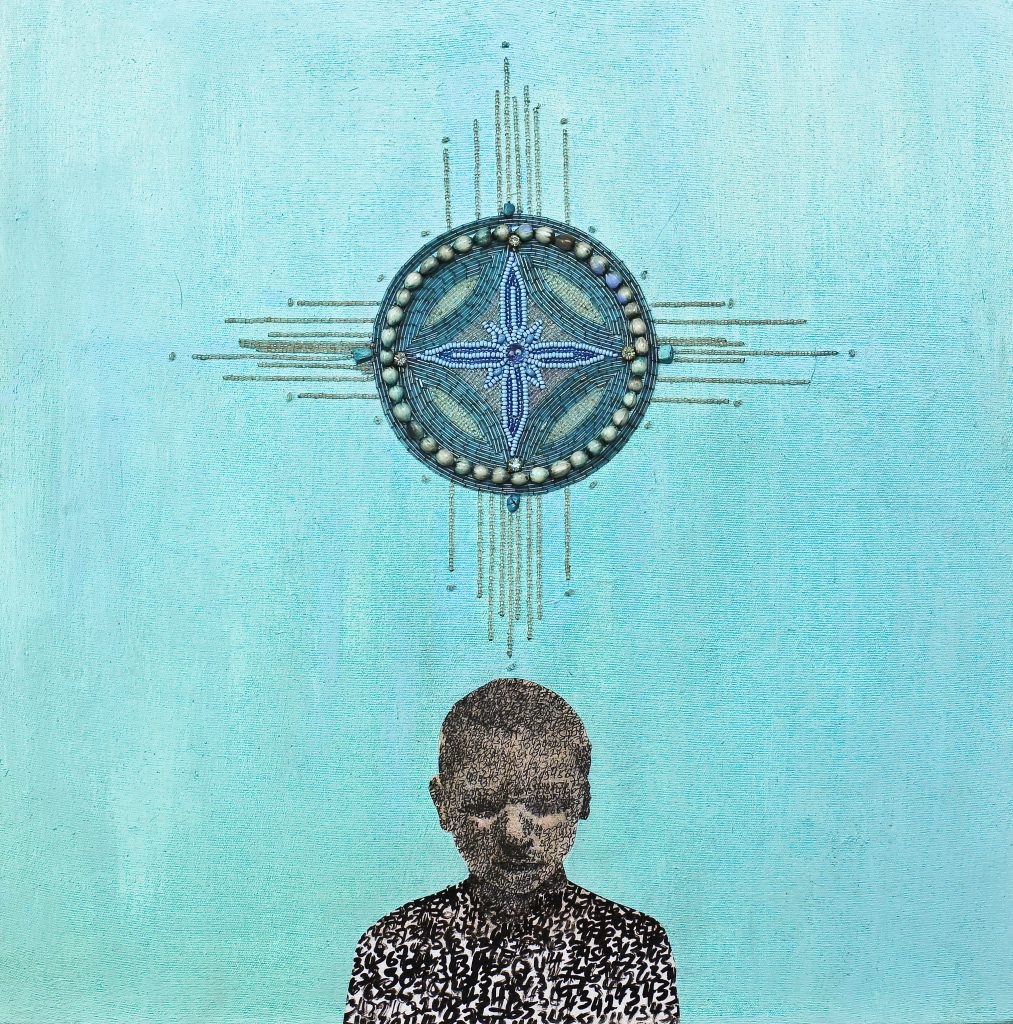
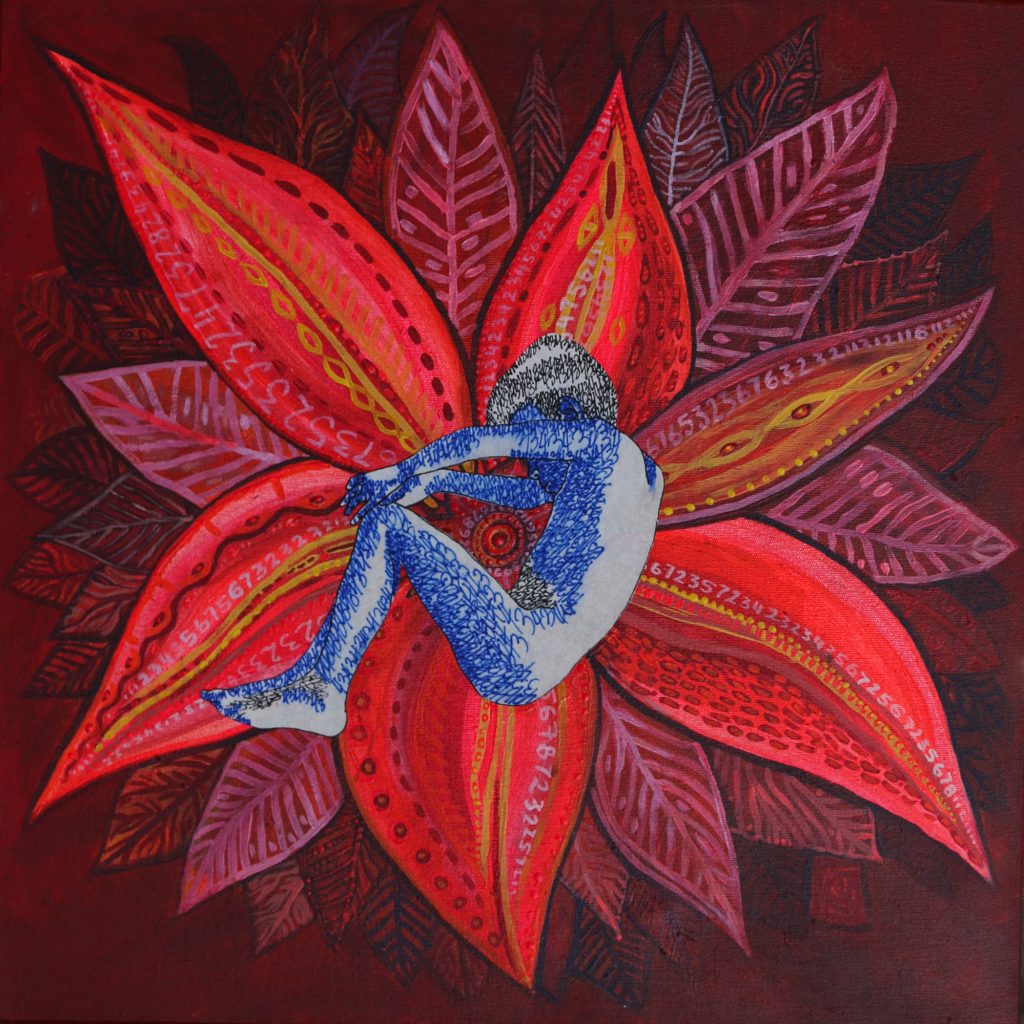
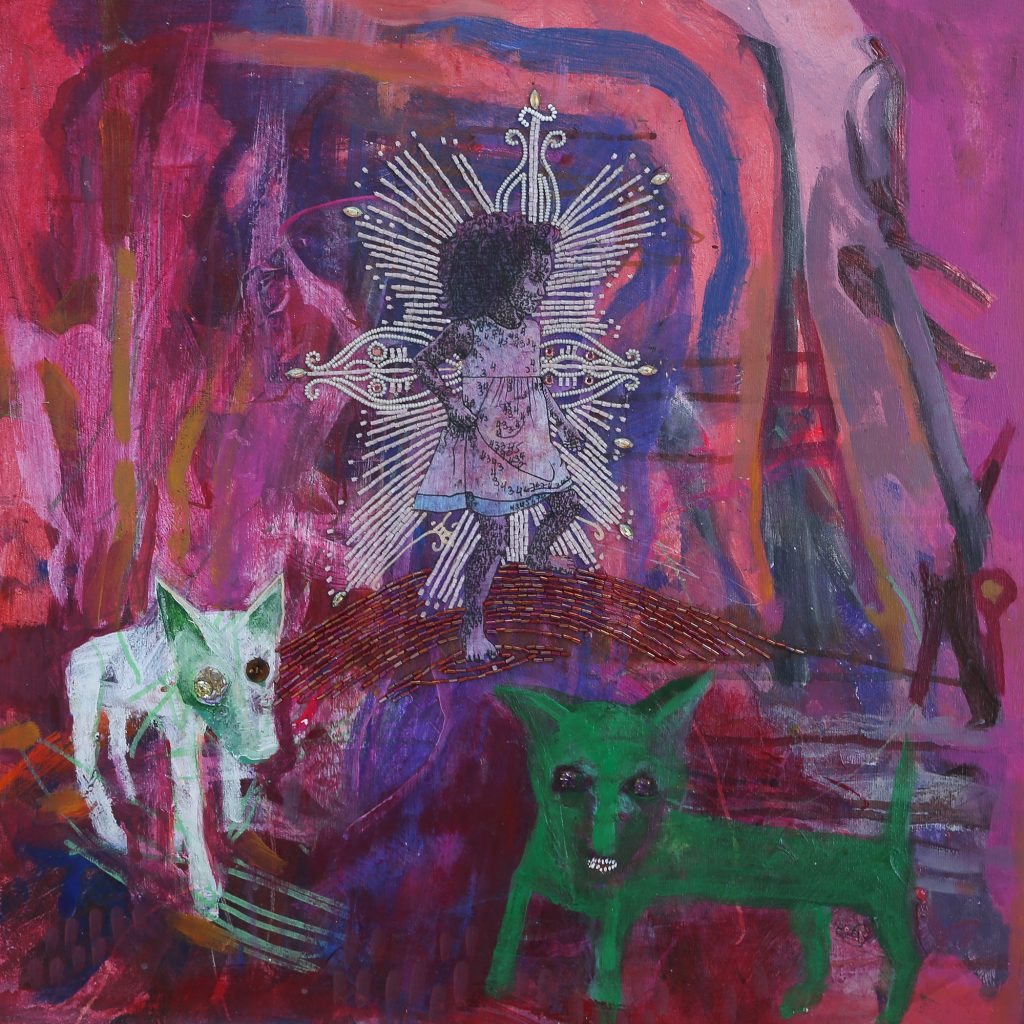
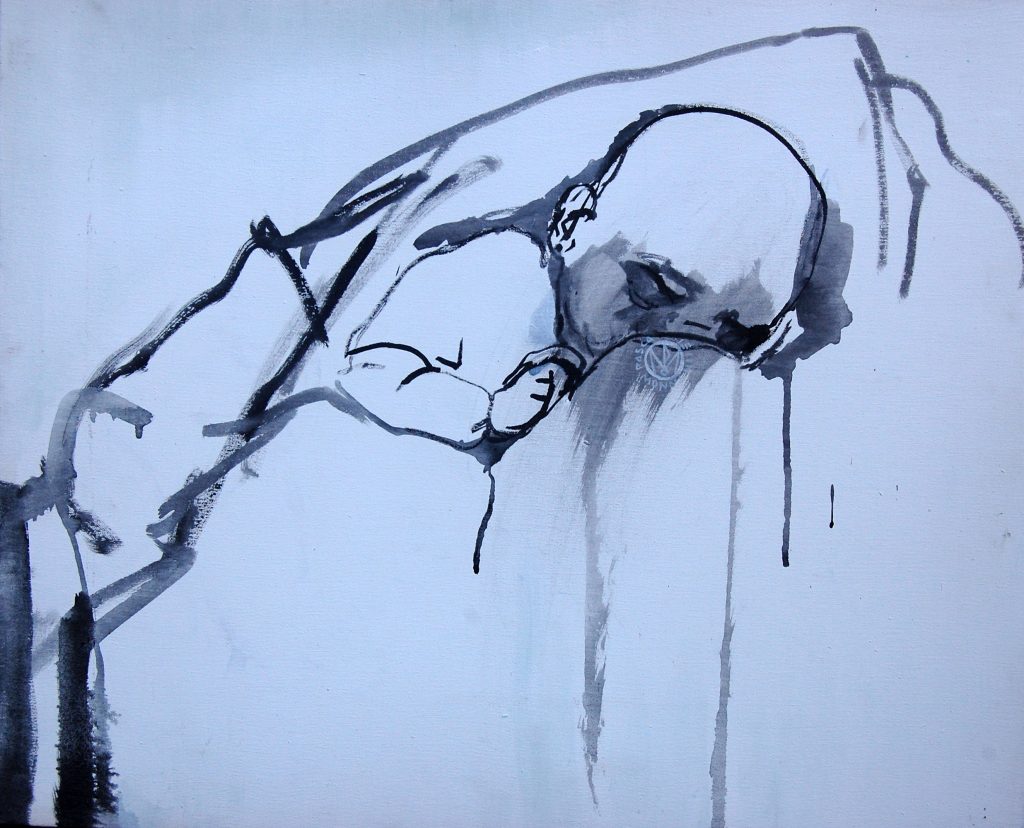
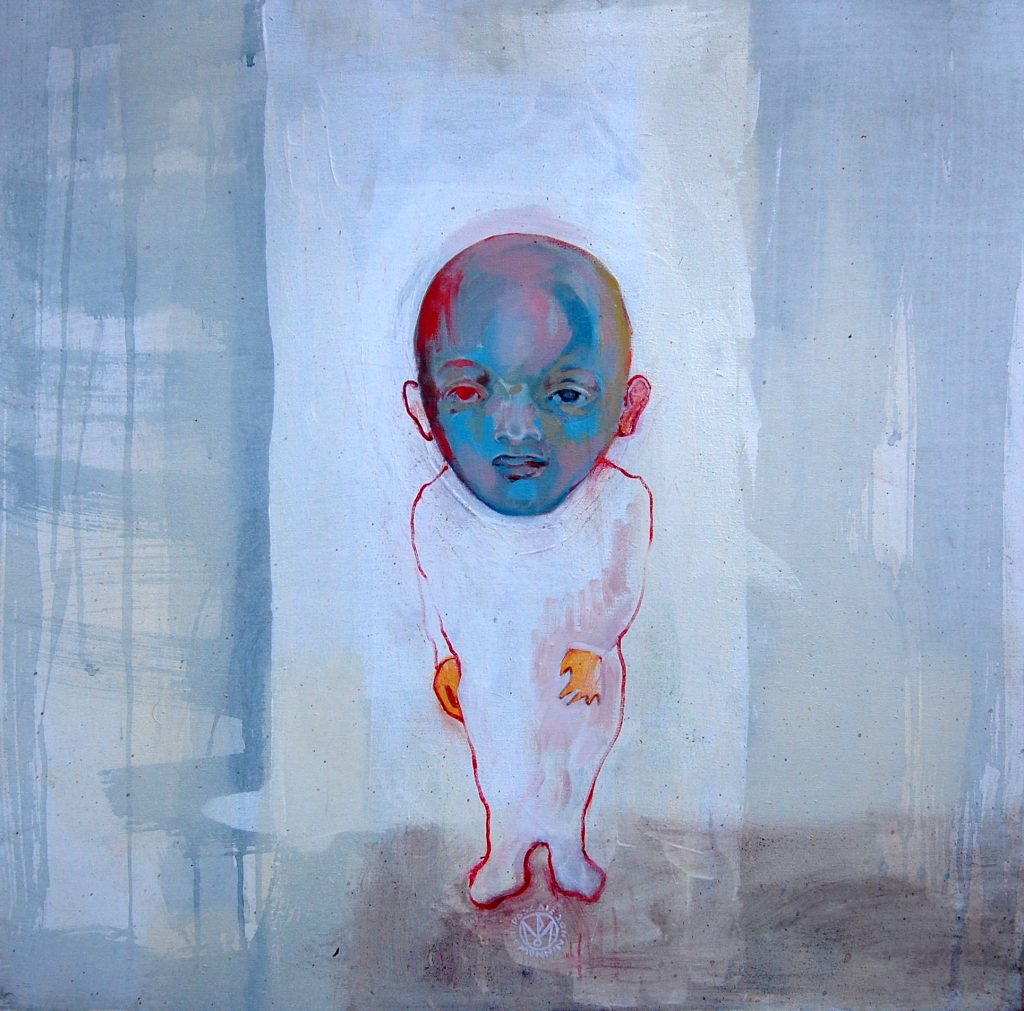
Pascale Monnin | Childhood and Other Miscellany brings together different facets of her work. The exhibition reveals contrasting origins and dazzling impulses that resonate with hybrid forms and the daring nuances of a sprawling childhood—sometimes cast in concrete, sometimes laid directly on the frame. A work that overflows. A world populated by canvases, mobiles, and sculptures. A celebration open to all forms of escapism. How can we name childhood without setting the old world of echoes in motion? How can we name this world without being confronted with our own chaos? How can we gaze at the star without going blind, or being struck by head-on chaos? “It takes a great deal of chaos within oneself,” wrote Nietzsche, “to give birth to a dancing star.” Art, in this sense, is a suspended path where our dreams and nightmares, our dances and our sidesteps take root. What animal stirs within us when childhood calls? In Pascale Monnin’s work, forms elude the name and role we wish to assign them in advance. Madame touches wood.
His brush is a tree that hides the forest. [Childhood and Other Nonsense] is punctuated by themes of obsession such as debt, complexity, plants, animals, time, play, movement, the sacred, myths, history, faces, vertigo… What do we owe our parents? What happens when adults regress to childhood? We are but shadows pierced by glimmers of questions… without number… Does death exist? What does it demand of us beyond our physical form? How can we make an accurate reckoning that does justice to who we are? Are we unique? Do we have a green enough thumb to trace our way back to our childhood, or even to our family tree?
How do we calculate, how do we dance, how do we weigh the value and the waltz of a life? In this world of storms and movement, a hummingbird flaps its wings 200 times in a second. A tree has an average of 8,500 leaves, while 15,000 hairs cover a dog’s skin. All these fragments of reality that enter us—settling, depending on the moment, with or without a clatter—form our foundations and our very essence. Pascale Monnin’s language unfolds a new range of possibilities, adding a layer of simply scorching freshness to the story. More than a hundred works inhabited this exceptional space, which carries the ancestral inspiration of the First Nations The Tainos, Kalinagos.